Want to know the pros and cons of different siding materials for your home? Popular vinyl siding is affordable yet prone to heat and hail damage, fiber cement siding is durable and fire resistant but has higher upfront costs. Stucco is ideal for warm, dry climates but susceptible to moisture issues. Metal siding is durable yet expensive and wood offers warm aesthetics but is prone to rot and pests and requires constant maintenance. Whatever your choice may be, understanding your local climate and the characteristics of different sidings helps you make informed decisions and budget effectively for your home upgrade.
Types of Home Exterior Sidings: A Side-by-Side Comparison
Are you thinking about upgrading your siding materials? Stucco or fiber cement, your siding is the first line of defense against the elements, offering protection, energy efficiency, and enhanced curb appeal to your structure. A well-maintained siding can be the major selling point when it comes to home improvement and can attract potential buyers. If you are searching for stucco siding near me, explore different options in our guide below, before finalizing your decision.
| Did you know?Fiber cement siding recoups 114% of costs and is recommended for hurricane-prone areas, while vinyl recoups 97%. |
Here is your guide to choosing the right siding for your home.
| Vinyl | Fiber Cement | Stucco | Metal | |
| Durability | Less durable | Highly durable | Known for its longevity. | Highly durable. |
| Ideal Climate | Moderate climates | Excellent for high wind, hail and freeze-thaw cycles. | Suitable for dry, warm climates. | Can withstand snow loads. Ideal for cold regions. |
| Affordability | Cost Effective | High upfront costs, but cheaper than wood or brick, | Moderate to high-cost option. | Expensive. |
| Styling Options | Wide variety of colors and profiles. | Available in pre-finished, factory-baked options. | Versatile, allowing for smooth to rough textures. | Wide variety of colors and finishes. |
| Maintenance | Low maintenance. | Low maintenance. | Low maintenance. | Low maintenance. Susceptible to dents from hail. |
Vinyl Siding
The most popular siding material, vinyl, is favored for its affordability and low maintenance. With an average lifespan of 20-40 years, vinyl is resistant to rot and pests and is ideal for moderate climates. It is widely available in a wide variety of colors and styles and does not need to be repainted.
Cons: Vinyl can warp and crack in cold climates, can not tolerate heat and is susceptible to damage from high winds and hail. Vinyl has low resale value and can fade over time.
| Vinyl appears on 26% of US homes, followed by stucco and fiber cement. |
Fiber Cement Siding
Fiber cement siding is highly durable and can last for up to 50+ years, with some installations lasting well over 80 years. It is resistant to rot and termites and has class A fire resistance. It can handle high winds, hail, and freeze-thaw cycles well and is suitable for nearly all types of climates.
Fiber cement siding is available in planks, vertical panels and shingles/ shakes.
Cons: Higher upfront costs, susceptible to damage from power washes (more than 1500 PSI). Unpainted boards require repainting every 7 to 10 years.
Wood Siding
Wood siding is an eco-friendly option, offering a warm, timeless appearance. Wood has natural insulating properties, and damaged siding sections can be removed and replaced easily.
Cons: Wood is flammable, susceptible to rot, termites and pests, and requires consistent staining and painting to prevent damage. Higher installation costs and maintenance requirements make wood siding an expensive option.
Metal Siding (Aluminum or Steel)
Steel and aluminum siding have an impressive lifespan and a Class A fire rating. Metal is resistant to high winds and snow, does not warp under extreme weather conditions and is resistant to rot and pests. Metal siding is 100% recyclable and can improve your home’s value significantly.
Cons: Metal is susceptible to dents from hail and higher material and installation costs make it an expensive option compared to other siding materials.
| Fast FactTrending siding colors in 2026 include natural, earthy tones like terracotta, olive greens and warm browns. |
Stucco Siding
Popular stucco siding can last up to 100 years with proper installation and maintenance. Resistant to fires and rot, stucco is ideal for arid, warm and dry climates. Stucco allows for a range of finishes, from smooth to rough textures like sand, dash or worm finish.
Cons: Stucco can not withstand moisture and can crack due to foundation settling. Maintenance requirements include repairing every 7-10 years.
Stone Veneer Siding
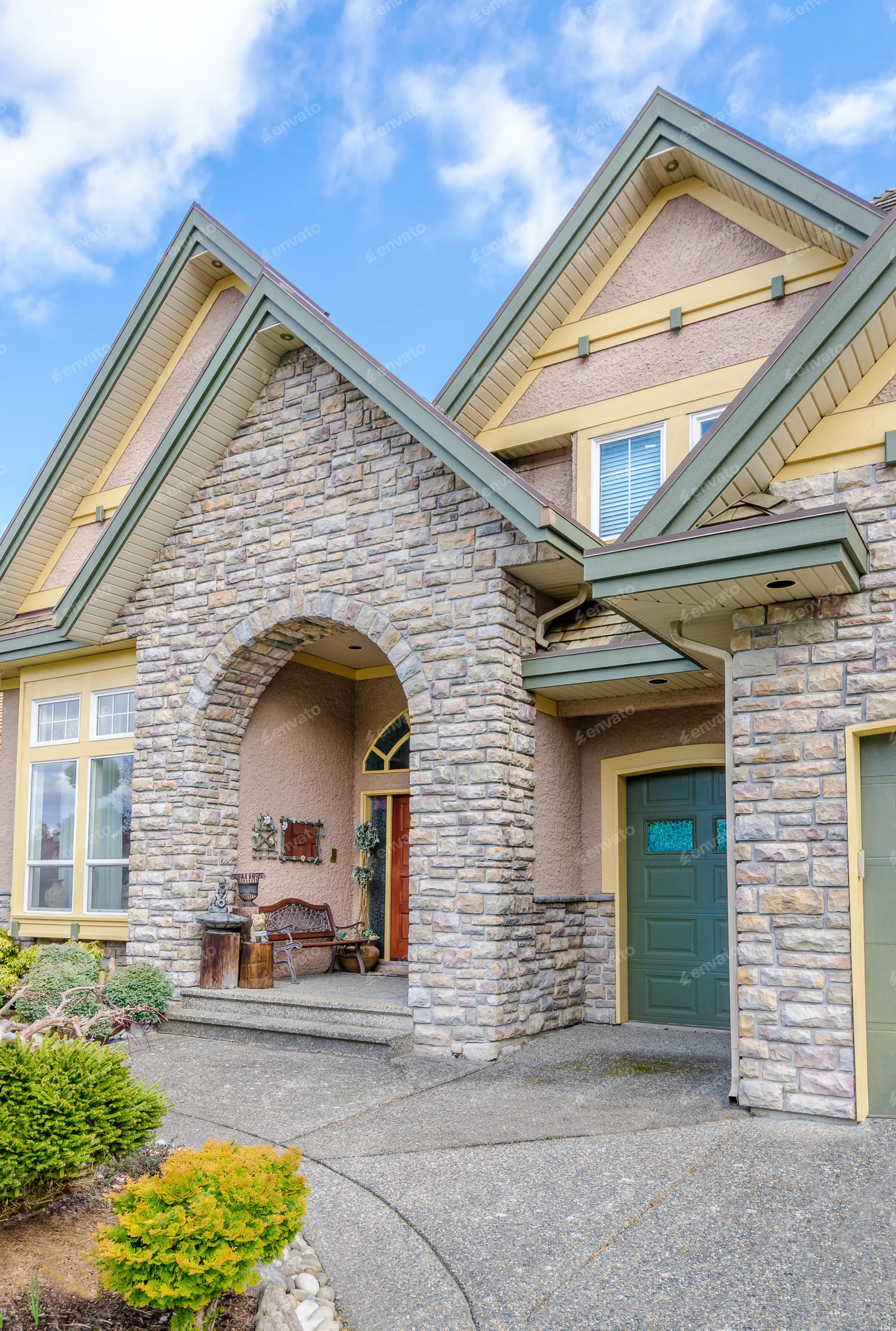
If you dream of achieving the luxurious look of natural stone at an affordable price, look no further. Stone veneer siding is a cost-effective alternative. Lightweight, durable, and low-maintenance, stone veneer sidings are easy to install, low maintenance and suitable for both exterior cladding and interior accents.
Cons: Improper installation can result in moisture management issues, rot and mold. Stone veneer siding is just a decorative element and is not a structural, load-bearing enhancement. It is prone to chips, cracks and UV-induced fading.
Brick Siding
Brick siding is exceptionally durable, fire-resistant, naturally energy-efficient, and requires low maintenance. Eco-friendly brick siding provides impressive sound insulation from outside noises and improves home value.
Cons: Brick siding has higher upfront costs, limited customization options, and mortar joints may need to be repointed every 15-20 years.
Composite PVC Siding
Also known as engineered wood or cellular PVC, composite PVC siding is moisture-resistant, durable, resistant to rot and requires minimal upkeep. Available in a wide variety of style, it can mimic a realistic wood grain texture without requiring extensive upkeep.
Cons: Heavy composite siding can be costly upfront, difficult to install, can fade over time, and is prone to thermal expansion.
Conclusion
Whether you choose vinyl, metal, or stucco, understanding the pros and cons of different siding materials empowers you to make informed decisions. Choosing the right siding that suits your budget, home’s architectural style, and local climate can protect your investment and significantly improve home value.
With well over 30 years of experience, Camp CMC LLC has been proudly serving Wyoming homes and businesses, offering tailored solutions, high-quality construction and the highest standards.
FAQs
What is considered the best siding material for hail and hurricane-prone regions?
Metal sidings can withstand wind and hail best, while fiber cement is considered the best siding material for heavy rains and hurricane-prone regions.
What is the most cost-effective option for siding?
Vinyl siding is considered the most budget-friendly siding material. Lightweight vinyl is popular, widely available and comes in a wide variety of colors and profiles.
How long do sidings last?
Vinyl siding has a lifespan of 10-20 years, aluminum can last for 20-40 years, while durable steel siding can last for well over 50 years.